Die Lust am Sehen Marcel Duchamps „Étant donnés“: zwischen der Skopisierungs des Begehrens und der Feminisierung des Bildraumes
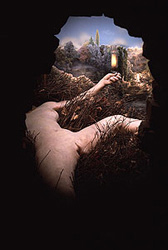 Figure 1
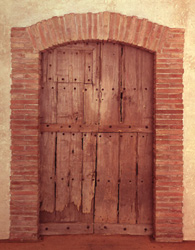 Figure 2
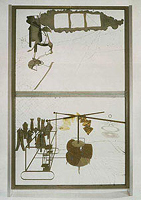
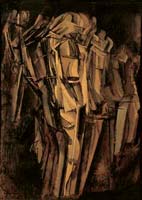
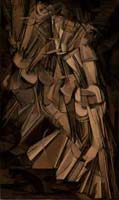
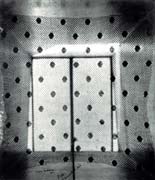
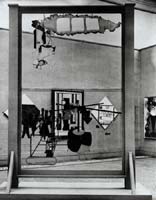
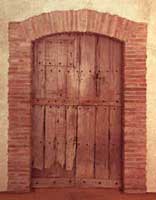
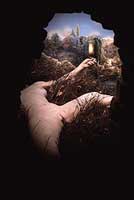
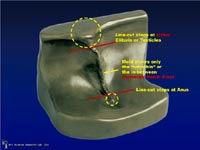
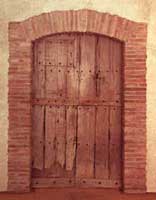
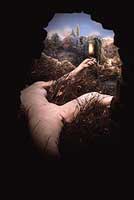
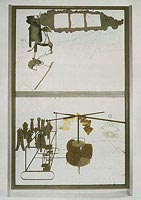
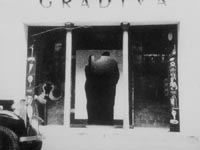
Marcel Duchamp, Étant donnés: 1° la chute d’eau 2° le gaz d’eclairage [Given:1. The Waterfall/ 2. The illuminating Gas], 1946-66. Assemblage, verschiedene Medien, ca. 242,5 cm hoch, 177,8 cm breit, 124,5 cm tief, beinhaltet: alte hölzerne Tür, schwarzer Samt, Ziegelsteine, hölzerne Tafel, Schweinehaut ausgedehnt über eine Metalarmatur und anderen Materialien (um ein weibliches Mannequin zu bilden) menschliches Haar, eine Gaslampe (Bec-Auer Art), Reisig, Aluminium, Eisen, Glas, Linoleum, Baumwolle, Lichtbirne, Leuchtstofflicht, Scheinwerfer, Elektromotor, (Philadelphia Museum of Art)
[Innenaussicht und Außenaussicht]
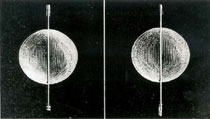
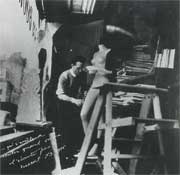
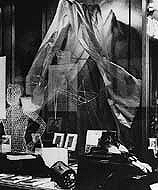
Das letzte große Werk von Marcel Duchamp führt auf exemplarische Weise eine wortwörtliche Überblendung von weiblichem Körper und Bildraum vor. Dieses Merkmal wurde als entscheidend für die geschlechterproduzierenden Techniken westlicher Bildproduktion identifiziert und ist aus diesem Grunde unter einer geschlechterorientierten Kritik der „Skopisierung des Begehrens” zu analysieren. Wie Linda Hentschel(1) in ihrer aufschlussreichen und prägnanten Studie von Beziehungsmustern zwischen der Geschichte optischer Apparate, der Techniken des Sehens und der historisch bedingten Geschlechterkonstruktionen dargelegt hat, geht diese für das Verständnis westlicher Bildtradition grundlegende Feminisierung des visuellen Raumes mit einer Sexualisierung des Sehens einher, die eine aktive Erziehung zur Schaulust herantreibt. Der männliche Betrachter wird dem Bild-Raum gegenüber positioniert, wie gegenüber dem anderen Geschlecht.(2) Dieses Phänomen wird, Hentschel zufolge, im Aufkommen sowohl des vermeintlich wissenschaftlichen Systems der zentralperspektivischen Vermessung des Raumes als auch in der später einsetzenden Technik des binokularen Sehens manifest. Nun, da beide Techniken in “Étant donnés” (Figs. 1 and 2) medial und medienreflexiv eingesetzt werden und weil auf Frauen anspielenden Metaphern Duchamps gesamtes Werk durchlaufen, soll im Anschluss an die Argumentation Hentschels, Duchamps Stellungsnahme diesbezüglich beleuchtet werden.
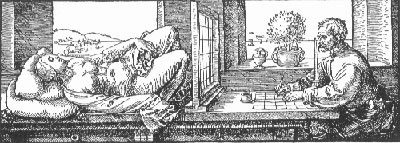
Figure 3
Albrecht Dürer, Der
Zeichner des liegenden Weibes, 1538, Holzschnitt, 7.5 x 21.5
cm
Als beispielhafte Darstellung des Albertinischen Fensters wurde von Hentschel auf Albrecht Dürers Holzschnitt “Der Zeichner des liegenden Weibes” (1538) (Fig. 3), der Illustration zu dessen Traktat der “Unterweisung der Messung”, verwiesen. Der Holzschnitt zeigt zum einem, wie der Künstlerblick durch ein Raster hindurch auf das verdeckte weibliche Genital gerichtet ist, und zum anderen den ebenfalls durch den zentralperspektivischen Apparat ermöglichten Betrachterblick in illusionistische Raumtiefe. In der optischen Auflösung der materiellen Oberfläche sollte der Bildträger einem geöffneten Fenster gleichen. Die perspektivistische Konstruktion investierte dadurch in die illusionistische Tiefe des Bildraumes, indem sie die Flächigkeit der Leinwand negierte und sie als Fensteröffnung verstand. In Dürers Bild wird aber ein Zeichner dargestellt, der eine perspektivische Abbildung einer Frau anfertigt, die sich dem (männlichen) Betrachter halbnackt und mit geöffneten Beinen vor einer Landschaft darbietet. Dürers Holzschnitt liefert damit der geschlechterforschenden Kunstwissenschaft einen Beweis dafür, dass die zentralperspektivische Apparatur in Zusammenhang mit der Genese eines voyeuristischen Blickes gesehen werden sollte. Der optisch systematisierte Raum bringt immer als Objekt des Begehrens den Wunsch nach Kontrolle des männlichen Künstlers/Betrachters auf dem unendlichen und in der Interpretation von Hentschel feminisierten Raum zum Ausdruck. Dürers Maschine exemplifiziert, nach Hentschel, wie die geschlechterspezifische Sexualisierung des Raumes durch Sehapparaturen vollzogen wurde sowie wie diese Feminisierung des visuellen Raumes durch spezifische Weiblichkeitsinszenierungen vorangetrieben wurde. Wie die Autorin bemerkt, verläuft der “Auszug des Mannes aus dem erotischen Bild” im Laufe des 16. Jahrhunderts parallel mit dem “Einzug der Zentralperspektive in das Bild”.(3)
Dürers Holzschnitt wurde oft als ikonographische Quelle des “Étant donnés” nicht zuletzt aufgrund der offensichtliche Ähnlichkeit des Bildmotivs erwähnt. “Étant donnés” vollzieht die Lenkung des Wahrnehmungsaktes durch die Fixierung auf einen bestimmten Sehwinkel und durch die Eingeschränktheit des Blickfeldes wobei dem Betrachter der Standort seines rezeptiven Aktes genau vorgeschrieben wird. Die Erschließung des Werkes ist buchstäblich ,nur’ durch die radikale Einhaltung des perspektivisch korrekten Standpunktes möglich. Anne d’Harnoncourt, die die Installation des Ensembles im Philadelphia Museum of Art beaufsichtigte, erläuterte Duchamps Absicht folgendermaßen: “He was extremely interested in the limitations of points of view, so that he really controlled completely what a viewer could see.”(4)Das Werk steckt den Blickpunkt exakt durch zwei alte und schäbig aussehende Gucklöcher ab, die direkt zum Genitalbereich der Puppe führen. Mit dem Rekurs auf die Ikonographie des perspektivischen Sehausschnittes greift Jean Clair ein zentrales Thema von Duchamp auf, um die voyeuristischen Inhalte in der Tradition abendländischer Kunst hervorzuheben(5) wobei Stauffer die subversive Geste hervorhebt: “Dies ‘Starren auf ein Loch’, unter Aufwendung ‘geistiger’ Hilfsmittel, das die abendländische Kunst seit der Renaissance auszeichnet, hat Duchamp in seinem letzten Werk (“Gegeben sei…”) auf fast grausame Weise parodiert.”(6)
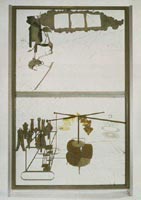
Die dem “Étant donnés” zugeschriebene Obszönität resultiert aufgrund sowohl der spezifischen Präsentationstechniken, als auch der verheißungsvollen Inszenierung des verhüllten, geheimnisvollen Spektakels. Eine Untersuchung der eigentlichen Szenerie im Inneren des Ensembles kann ebenfalls zeigen, dass die eingesetzte visuelle Sprache bewusst gegen die vorgeschriebene Distanzierungsmechanismen des traditionellen akademischen Aktes verstößt. Die visuelle Einrahmung, die den weibliche Körper optisch fragmentiert und ihn wie aus dem Bildraum ausgeschnitten erscheinen lässt, das optische Fokussieren auf Körperöffnungen durch das bewusste Einsetzen zentralperspektivisch exakter Messungen, das Verhältnis von minimaler Narration und maximaler Sichtbarkeit, all dies sind Merkmale, die bereits als “pornographische” Mechanismen in der Kunst etwa von Courbet und Manet identifiziert wurden.(7) Diese ‚obszönen’ Präsentationstechniken verdeutlichen, dass die kritische Stellungsnahme Duchamps, sowohl der Feminisierung des Bildraumes als auch der zentralperspektivischen Systematisierung der Wahrnehmung gilt. Beiden Themen wurden exemplarisch in seinem Grossen Glass nachgegangen und finden in seinem letzten Werk eine entscheidende Weiterentwicklung.
In „Étant donnés“ ist einerseits der Anklang an eine traditionsreiche Theorie in der Geschichte der Kunst, die seit dem florentinischen Neoplatonismus den erotischen mit dem wissenden bzw. dem künstlerischen Blick verbindet(8)evident, und andererseits das kritische Thematisieren der „voyeuristische Struktur der modernen Kultur“(9) einleuchtend. Den letztgenannten Standpunkt hat Duchamp selbst oft in seinen Äußerungen, beispielsweise gegenüber bei Cabanne, gegen die „Beschauer-Gesellschaft (sic!)“ (10)vertreten. Das zentrale Thema der abendländischen Kunst, seit der Erfindung der Zentralperspektive, die der Repräsentation der Welt als Projektionsfläche, scheint im Werk Duchamps eine weitere Fortsetzung im Kontext des Erotizismus(11)zu finden, indessen die Erkundung des Sehens sich mit der Interpretation des Betrachtens (seitens des Künstlers oder des Rezipienten) als Begehren verbinden. Diese Skopisierung des Begehrens sollte im Kontext seines Erotizismus-Diskurses als grundlegend für die gesamte Repräsentations- und Bildtheorie des Künstlers, die in ihrer permanenten Rekontextualisierung immer als quasi psychoanalytischer Kommentar fungiert. Molderings bemerkte, dass das Wort ,Projektion’ bei Duchamp nicht nur wortwörtlich zu nehmen, sondern zugleich im psychoanalytischen Kontext zu deuten sei. Dieses zum Teil psychoanalytisch ausgerichtete, repräsentationskritische Denkmodell ist auf Raumwahrnehmungen und dessen ideologischen Fundamente ausgerichtet. Damit avancierte Dürers „Türlein“ zum Symbol der ,sexualisierten’ Malerei selbst, wobei Bildraum als Ort des visuellen Penetrierens verstanden wird, eine Tatsache, die mit Rekurs auf Lacans visuelle Theorie weiter nachgegangen wird.
Entscheidend ist, dass die Reduktion der Wahrnehmung auf einen perspektivisch festgelegten Ausschnitt der Wirklichkeit und die daraus folgenden „sexuellen“ Implikationen im Falle des „Étant donnés“ mit Blick auf die Manipulation des Betrachterkörpers überprüft wird. Folglich wird der Status des Betrachters als Voyeur nicht konzeptuell behauptet oder narrativ erklärt, sondern für den Betrachter körperlich erfahrbar gemacht.(12)Die dem „Étant donnés“ zugeschriebene Obszönität resultiert durch die Produktion akuter, ziemlicher realer, körperlicher Empfindungen, die nicht zuletzt durch das in diesem Sinne ,pornographische’ Einsetzen binocularen Techniken erfolgt, die der zusätzlichen Strategie des Verhüllens, der Verbergens hinter der Tür verhelfen. Dieses Einverleiben des Sehens wird nun als obszön empfunden, da die binokulare Blickinszenierung des Duchampschen Ensembles, das Gesehene zu nah an dem Betrachter selbst rückt. Duchamps Spiel mit der ,obszönen’ Natur des Sehens ist als Kritik an das entkörperlichte, distanzierten und sublimierte Selbstverständnis der zentralperspektivischen Repräsentierens zu deuten.(13)
click to enlarge
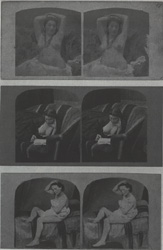
Figure 4
Anomym, Frankreich,
um 1860
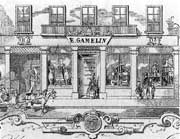
Der Hinweis auf das Stereoskop als Vorlage für das „Étant donnés“ ist auch auf der Ebene des Bildmotivs von Bedeutung.(14) Bekanntlich wurden Stereoskope gegen Ende des 19. Jahrhunderts zunehmend für die Präsentation obszöner Szenen verwendet. Die Intimität dieses Apparates machte diese neue technische Vorrichtung zum Synonym für erotische oder pornografische Bildlichkeit. Ein Vergleich der Braut des „Étant donnés“ mit den Stereoskop-Fotokarten (Fig. 4) des 19. Jahrhunderts, die sogar kopflose oder fragmentierte nackte weibliche Figuren mit geöffneten Beinen oder nackte Frauen vor idyllischen Landschaftskulissen zeigen, beleuchtet diese wesentliche zusätzliche Übereinstimmung.(15) Dies unterstützt die These, dass Duchamp mit seinem letzten Werk der Frage, wie die Feminisierung des medialen Raumes mit der Sexualisierung des Sehfelds einhergeht.
Kritik an den surrealistischen Weiblichkeitsinszenierungen
Duchamps Kritik an am malerischen Repräsentationsparadigma sowie der Sehdispositive, die dieses unterstützt haben, konzentriert sich auf die Rolle der Frau als Motiv. Diese wurde oft in der Forschung in seiner individuellen Mythologie der Braut identifiziert und entsprechen interpretiert.(16) Da jedoch „Étant donnés“ das Motiv des erotischen weiblichen Körpers mit einem Erotisieren des medialen Raumes verbindet, sollte die Frage aufgestellt werden, inwiefern Duchamp in diesem Werk eine Kritik der männlich konnotierten Sehapparate und Repräsentationsmedien liefert, und ob er diese Kritik in einem konkreten historischen Kontext ansiedelt. Das Problematisieren des Frauenmotivs und der Bildfindung, wie Breton in den theoretischen Auseinandersetzungen um die surrealistische Bildästhetik fixierte, scheinen in dem Werk Duchamps eine differenzierte und zum Teil kritische Fortsetzung zu finden. Um diesen Zusammenhang weiter nachzugehen, soll eine Auseinandersetzung mit Beispielen surrealistischer Ikonographie folgen, die als ikonographische Vorlagen zu „Étant donnés“ identifiziert wurden.
click to enlarge
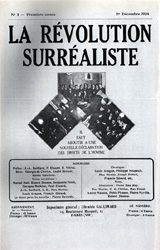
Figure 5
Umschlag der Zeitschrift, La Révolution
Surréaliste No. 1, (1. Dez. 1924)
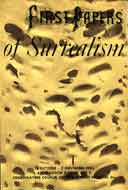
Der Rolle der Frau wird durch eine auf dem Umschlag der Zeitschrift „La Révolution Surréaliste No. 1“ (1. Dez. 1924) (Fig. 5) gedruckte Fotografie deutlich. Die Zeitschrift sollte das surrealistische Programm ins Bild setzten. Das Foto zeigt eine vor der Schreibmaschine sitzende Dame (Simone Collinet-Breton), flankiert wird sie von einer Gruppe männlicher surrealistischer Künstler. Robert Desnos hält eine kleine Kiste in der Hand, in die Simone Collinet-Breton direkt hinein schaut. In dieser theatralischen mise-en-scène fungiert die Kiste als Symbol des verschlossenen Unterbewussten, das laut der Surrealisten durch das Verfahren der „écriture automatique„ geöffnet werden sollte. Sie ist aber zugleich ,Pandora-Kiste’, die den männlichen Künstlern von einer Frau übermittelt wurde; ihr Inhalt ist unvorhersehbar und vermutlich gefährlich. Die weibliche Figur verkörpert als Geberin genau die Position von Gott und Mensch zugleich, wobei sie aber zugleich auf die Gefährlichkeit dieser Gabe verweisen soll. Eine Rolle, die in der vielfältigen surrealistischen Metamorphose der Frau als femme fatale ins Bild gesetzt wurde. Doch zugleich symbolisiert die Frau das Verfahren selbst der „écriture automatique„ in ihrer passiven Rolle als mechanischer Schreiber, ebenfalls eine beliebte ikonographische Quelle surrealistischer Kunst. Für die Surrealisten bekommt das Weibliche eine entscheidende symbolische Funktion als Medium zum Empfang des Unbewussten und gleichzeitig als Automaton, welche diesen Empfang in Zeichen umsetzen kann, wobei das wichtigste Medium dieser Umsetzung das fotografische Verfahren ist.
Der Fotoapparat wurde von Breton als die Ikone der „ écriture automatique“ bezeichnet.(17) Die schwarze Kiste in der Hand von Desnos ist also nicht nur ein Symbol für die Büchse der Pandora, sondern auch eine Metapher für die dunkle Kammer. Doch entscheidend ist, dass die Ikone der surrealistischen Bilderfindung mit dem Symbol der zum Automaton stilisierten Frau gleichgesetzt wird.(18) In der sechsten Ausgabe der gleichen Zeitschrift (1. Okt. 1927) wird diese Idee nochmals aufgegriffen und radikalisiert. Auf dem mit „L’ écriture automatique“ betitelten Umschlag wird eine an dem Schreibpult sitzende Frau dargestellt, die in ihrer weibliche Verführungskraft die Funktion des Schreibautomaten übernimmt.(19) Die Frau in beide Fotografien ist sowohl mit dem Prozess der Bilderfindung als auch mit den Mitteln dessen Fixierung, also einer Schreibmaschine oder einem Fotoapparat etwa, gleichzusetzen.
click to enlarge
![René Magritte, Je ne vois
pas la [femme] cachée dans la forêt, 1929](https://www.toutfait.com/images/articles/Bahtsetzis/06_sm.jpg)
Figure 6
René Magritte, Je ne vois
pas la [femme] cachée dans la forêt, 1929, Photomontage,
in: La Révolution Surréaliste No. 12 (15. Dez. 1929)
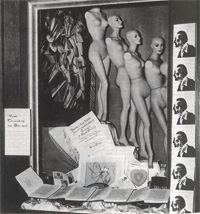
Auf die symbolische Funktion der Frau als Bild sowie auf das Moment der Täuschung, das damit verbunden ist, verweist auch das in der zwölften Ausgabe von „La Révolution Surréaliste No. 12“ (15. Dez. 1929) abgedruckte Photomontage „Je ne vois pas la [femme] cachée dans la forêt“ (1929) von René Magritte (Fig. 6). In dem Bild flankieren die fotografischen Porträts von sechzehn männlichen surrealistischen Künstlern, die ihre Augen geschlossen halten, das Bild eines im Dunkel stehenden weiblichen Aktes. Die Behauptung „ich habe die versteckte [Frau] im Wald nicht gesehen“ kann sich auf die in der Abbildung anwesenden Personen beziehen. In diesem – surrealistisch – inszenierten Akt der Verweigerung des Sehens wird jedoch die ambivalente Funktionalisierung des Symbols ‘Frau’ eindeutig. Die Frau kann offensichtlich nur Quelle der Inspiration für den Surrealisten sein, solange sie unsichtbar bleibt. Ist der Satz gleichzeitig auf den realen Betrachter bezogen, widerspricht die tatsächlich stattfindende Wahrnehmung – der Betrachter sieht ja eine Frau – der Bedeutung des simultan gelesenen Satzes. Die abgebildeten Personen befinden sich also im Stadium des Inspirationsempfanges, während der Betrachter in seiner Funktion als Zeuge prinzipiell von dieser ‘Epiphanie’ ausgeschlossen wird. Repräsentation ist zugleich Täuschung. Tatsächlich wird von Magritte das Motiv der Frau ausgewählt, um mediumspezifische Repräsentationsproblematiken, also um den Wirklichkeitsgrad illusionistischer Malerei und figurativer Abbildung im Kontext des fetischisierend- begehrenden Blickes, zu erörtern.(20) Alle diese Beispiele surrealistischer Weiblichkeitsinszenierungen zeigen, dass Repräsentationen des weiblichen Körpers einer symbolischen Funktion zugeordnet werden, wobei diese über den Prozess der Bilderfindung, die Medialität des Kunstwerks und die Rolle des Künstlers Aussagen macht. Die surrealistische Inszenierung des weiblichen Körpers weist über die erotische, fetischistische oder einfach phantastische Ikonographie hinaus und kündigt ästhetische und mediumstheoretische Reflexionen an.(21)
click to enlarge
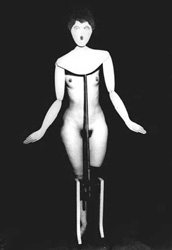
Figure 7
Man Ray, Coat Stand, 1920, Silbergelatinabzug, 41
x 28,6 cm (Musée National d’Art Moderne, Paris)
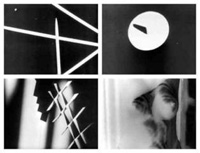
Figure 8
Man Ray, Retour à la Raison, 1923, Silbergelatinabzug,
18,7 x 13,9 cm (The Art Insitute of Chicago)
Exemplarisch für diese These steht das Werk von Man Ray, der in seiner Motivfindung sich wesentlich dem fragmentierten oder deformierten weiblichen Körper des surrealistischen Frauenautomats bedient: In der Fotografie „Coat Stand“ (1920) (Fig. 7) werden Teile des weiblichen Körpers durch mechanische Prothesen und das Gesicht durch eine grotesk lächelnde Maske ersetzt. Aber auch naturalistische Aktfotografien wie „Kiki Nude (Kiki de Montparnasse)“ überraschen durch die an einen Torso erinnernde optische Einrahmung des Objektivs.(22) Der deformierte weibliche Körper fungiert als Symbol der Formerfindung bei Man Ray, an der Stelle, an der am radikalsten mit dem fotografischen Verfahren umgegangen wird. „Das Primat der Materie über den Gedanken“ (1929) zeigt einen liegenden weiblichen Akt, der dort, wo er am Boden aufliegt, auseinander rinnt und sich an den Rändern zu verflüssigen scheint. Der Eindruck der Körperauflösung verdankt sich dem photochemischen Prozess der ,Solarisation’. Durch die zusätzliche Belichtung des Negativs im Entwicklerbad verformen sich die Konturen auf dem Negativ, das anschließend in der Entwicklung diesen verfremdeten Bildeindruck erzeugt. Repräsentation des Bildes wird bei Man Ray fast ausschließlich mittels des Frauenmotivs thematisiert. Man Rays „Return to Reason“ (1923) (Fig. 8) zeigt ebenso den Torso einer weiblichen Figur (Lee Miller) in einer solchen Position, dass das Licht ihren Körper streift und dadurch gleichsam mit dem Hintergrund verschmilzt. Das Verschwinden oder die Auflösung des weiblichen Körpers, der gleichsam sich in Licht verwandelt oder in einen anderen Aggregatzustand übergeht, wurde im Kontext des fotografischen Mediums thematisiert, wobei Formerfindung mit dem Eingriff auf die Materialität des Negativs gleichgesetzt wird.
Man kann in dem künstlerischen Programm etwa von Man Ray erkennen, dass figurative Abbildungen des weiblichen Körpers der programmatischen Kritik des Surrealismus an der bildlichen Repräsentation schlechthin dienen. Mit der Auflösung des weiblichen Körpers im Bild, wird zugleich tendenziell die Auflösung des Bildes selbst als Repräsentationssystem thematisiert, ein Thema, dass in Bretons Konzept der „kompulsivischen Schönheit“ aufgeht. Bretons surrealistische Dogmen des Wunderbaren und der konvulsivischen Schönheit, werden in diesem Zusammenhang nicht nur als poetische Metapher, sondern auch als diejenige Instanzen, die „Erfahrung von Realität als Repräsentation“ ermöglichen, gedeutet.(23) Sie stellen konkrete Ent- und Rekontextualisierungsstrategien dar, die in Bildkompositionen und Verfahren der Bildherstellung aufgehen. Demnach sind genau diese Strategien und nicht die von formalen bzw. piktorialen Inhalten abgeleiteten Begriffe, die der augenscheinlichen visuellen Heterogenität der surrealistischen Kunstproduktion als einheitliche Bewegung zum Erkennen geben. Bilderfindung im Surrealismus wurde, nach Krauss, unter drei Kategorien zusammengefasst: Mimikry, das Stillstellen von Bewegung und der gefundene Gegenstand, die in formaler und zugleich thematischer Hinsicht das strukturale Prinzip surrealistischer Fotografie darstellen.(24) Diese konzentrieren sich zum einen in den Einsatz fotografischer Bildmanipulationen in der Dunkelkammer, wie die Mehrfach-Belichtungen, Überlagerung von Negative, Solarisationen, Brûlage-Techniken, die Verwendung von Negativ-Abzügen oder kameralosen Bilder und zum anderen in die spezifische Wahl des Motivs, dessen optische Einrahmung durch das Objektiv, die verzerrende Perspektive oder den Einsatz verfremdeter Beleuchtung.(25)
Im folgenden soll nun die Frage ausführlicher beleuchtet werden inwiefern „Étant donnés“ als paralleler jedoch kritischer Entwurf zur surrealistischen Repräsentationstheorien im Rahmen einer indexikalischen Lesart des Werkes aufzufassen sei.(26) Sofern nun surrealistischer Automatismus, so wie dieser von Breton theoretisch fixiert und in der fotografischen Bilderfindung der 1930er zum Ausdruck gebracht wurde, im Kontext von Repräsentationskritik verstanden werden kann, bleibt die Frage, ob jener dekonstruierte Wahrnehmungsautomatismus, der in „Étant donnés“ aufgeht, surrealistische Ästhetik affirmiert oder negiert. Nach Bretons surrealistischem Diktum der kompulsiven Schönheit, die durch die indexikalische Funktion des fotografischen Zeichens festgehalten werden kann, wäre Duchamps Spiel mit der ,obszönen’, subjektiven und körperbezogenen Natur des Sehens selbst als Kritik am entkörperlichten und idealisierten Selbstverständnis der surrealistischen Imagination, zu deuten. Dass wiederum hieße, dass Bretons Erkunden der Schönheit einem visuellen Penetrieren des feminisierten Bildraum gleichkäme, nicht weil dieses Erkunden, wie bis jetzt angenommen, das Frauenbild durch skurrile Weiblichkeitsinszenierungen, als kastrierende oder fetischisierte Instanz manipuliert, sondern weil es Sichtbarkeit per se, unhinterfragt vertraut. Diese These wird im Folgenden unter Berücksichtigung der Lacanschen Theorie des Visuellen ausgeführt.
Das Bild als libidinöse Maschine – Der anamorphotische Erotismus
click to enlarge
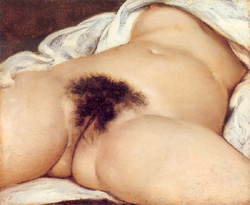
Figure 9
Gustave Courbet, L’ Origine du monde, 1866, Öl
auf Leinwand, 46 x 55 cm (Musée d’Orsay, Paris)
Die Skopisierung des Begehrens scheinen nicht nur der zentrale Themenbereich von Duchamps Kunst zu sein, sondern bildet auch die Grundpfeiler des Lacanschen Systems. Inwiefern Duchamp mit den Theorien Lacans vertraut war, kann nicht mit Sicherheit gesagt werden, obwohl der Psychoanalytiker wahrend der 1930er Jahre in den Kreisen der Surrealisten verkehrte und theoretisch in regem Austausch mit Mitgliedern der Gruppe stand.(27) Man muss jedoch davon ausgehen, dass auch seine persönliche Freundschaft zu Duchamp zu einem wechselseitigen Einfluss wesentlich beigetragen hat. Es scheint, dass das im Besitz Jacques Lacans befindliche Gemälde Courbets „L’ origine du monde“ von 1866 (Fig. 9), das vielfach als ikonographische Quelle der Bildfindung Duchamps erwähnt wird, auf emblematische Weise diese geistige Verwandtschaft dokumentiert.(28)
Das nachträglich als „Ursprung der Welt“ betitelte Bild von Gustav Courbet ist ein kleinformatiges Gemälde, das perspektivisch einen weiblichen Unterleib umrahmt und den Blick auf eine unverstellte, lebensgroß dargestellten Vagina richtet. Wie für solche Motive nahe liegend malte Courbet es in privatem Auftrag, was schon recht eindeutig für Pornographie spricht. Das Interesse und die Aufmerksamkeit, die dem Bild entgegengebracht werden, findet ihren Ausgang weniger in der direkten pornographischen Zurschaustellung des weiblichen Körpers, sondern auch darin, dass das Bild versteckt blieben musste. Die Chronik der Aufbewahrungsorte des Gemäldes und die Tatsache, das es die meiste Zeit seit seiner Entstehung 1866 unsichtbar geblieben erzeugt kulturtheoretische Reflexionen, die dieses Spiel um Sichtbarkeit und Unsichtbarkeit mit sich bringen.(29) Das Bild galt bis 1995 als verschollen und war nur als Reproduktion bekannt. Zusätzlich wurde es in an seinem ursprünglichen Ausstellungsort immer verhüllt aufbewahrt, um neugierige Blicke auf das Gemälde zu versperren. In seinem letzten, privaten Aufbewahrungsort, Lacans Landhaus, hing es hinter einem von dem Dichter André Masson speziell zu diesem Zweck verfertigten „Panneau-masque“ (1955), eine Vexierzeichnung, die durch das Nachziehen der Umrisse des weiblichen Körpers entstand, und somit auch als Hügellandschaft gelesen werden konnte.
Unter Berücksichtigung, dass Courbets erotisches Werk, unter anderem das Bild „Frau mit weißen Strümpfen“ (1861) als direkte ikonographische Quellen des Spätwerks von Duchamp anzuführen sind(30) und der individuellen Thematik Duchamps im Kontext seiner Braut-Mythologie, die ebenfalls um Sichtbarkeit und Nicht-Sichtbarkeit kreist, kann behauptet werden, dass „L’ origine du monde” bzw. die Geschichte seiner Ver- und Enthüllungen dem Künstler bekannt war. Obwohl nicht mit Sicherheit gesagt werden kann, ob und wann Duchamp das Gemälde und das Panneau von Andre Masson, das Courbets Gemälde verhüllte, bei Lacan gesehen haben hat, verführt diese Annahme dazu, Parallelen in der Rhetorik der Verhüllung zwischen den Präsentationsumständen des „L’ origine du monde” und „Étant donnés“ zu ziehen. Zuallererst spielt Massons Panneau auf einen Maskierungseffekt an. Die Hügellandschaft, die durch das Nachzeichnen der Torsokonturen entstand, hat die Funktion eines Schleiers übernommen, der den erotisierenden Charakter des Körperfragments enthüllt, wobei es Körperöffnungen zu verhüllen vorzugeben vermag. Dieser Zustand des ambivalenten visuellen Entzug und des Übergangs des Körpers zum Landschaftsbild ist auch motivisch bei „Étant donnés“ vertreten. Zugleich scheint das visuelle Hindernis der Holztür auf der Verhüllung der Ansicht auf das Gemälde von Courbet in Lacans Landhaus anzuspielen. Auch die bereits erwähnten „pornographischen“ Mechanismen, wie die visuelle Einrahmung, die den weiblichen Körper optisch fragmentiert und ihn wie aus dem Bildraum ausgeschnitten erscheinen lässt, das optische Fokussieren auf Körperöffnungen durch das bewusste Einsetzen zentralperspektivisch exakter Messungen, das Verhältnis von minimaler Narration und maximaler Sichtbarkeit, sind Merkmale, die beide Werke verbinden.
Diese Parallelen lassen darauf schließen, dass sowohl bei Lacan und Duchamp ähnliche theoretische Interessen vorliegen.
Skopisierung des Begehrens – Lacans Blick als „objet a“
Die geistige Verwandtschaft zwischen Lacan und Duchamp besteht in einer analogen Denkhaltung, hinsichtlich des Blick- Bild- Diskurses, der für die philosophische Avantgarde französischer Provenienz in den 50er und 60er Jahre symptomatisch ist.(31) Die Lacansche Theorie von Sehen basiert auf einem grundlegend antipodischen Verhältnis zwischen versprachlichter Signifikantenkette und dezentriertem, gleichsam ent- subjektiviertem Subjekt.(32) Sie kulminiert in einer Reihe von vier Seminaren, die Lacan 1964 gab und neun Jahre später von seinem Schwiegersohn Jacques-Alain Miller in der Schriftensammlung „Die Vier Grundbegriffe der Psychoanalyse“ in dem Kapitel „Vom Blick als Objet Klein a“ publiziert wurden. Lacans bemerkenswertes Verknüpfen von Auge und Blick stellt einen Versuch dar, sowohl eine Repräsentationstheorie, was ein Bild sei, zu entfalten, wie auch einen Diskurs der Perzeption und des Begehrens, so wie dieser in seinen früheren Vorträgen über das Spiegelstadium aufscheint, zu einer Ontologie zu erweitern.(33)
Wie bei Sartre und Merleau-Ponty resultiert Lacans Theorie aus der Verflechtung von Blick und Körper, deren antipodisches Verhältnis er aus der Dialektik eines intersubjektiven Blickes abzuleiten suchte. Nun macht Lacan geltend, dass dieser Blick „ein von mir auf dem Feld des Anderen imaginierter Blick ist.“(34)Die Reflexivität des Blickes bzw. Angeblicktwerdens bedarf im Unterschied zu Sartre keines aktiven Gegenübers. An dieser Stelle müsste man die Dialektik des Auges und des Blickes der von Lacan beschriebenen, autobiografischen Szene der Sardinenbüchse entfalten, um die scheinbar paradoxe Analogie der Lacanschen These zu verdeutlichen, nämlich dass der Blick immer der Blick des Anderen ist, der – verschoben – von mir aus sieht, wo ich zu sehen meine. In dem, was wir sehen, steckt immer ein Punkt, von dem aus uns das Bild – also der von uns als Bild wahrgenommene, visuelle Abschnitt des Sichtbaren – selbst ansieht, eine Stelle, an der wir selbst schon in das Bild eingeschrieben sind. Das ist die primäre subjektivierende Funktion dieses merkwürdig inkarnierten Blickes, so wie dieser in der Lacanschen Blickökonomie dargestellt wird. „Von Grund aus bestimmt mich im Sichtbaren der Blick, der im Außen ist.“(35) Lacan begreift in seiner Blickökonomie den Blick als das Objekt klein a im Feld des Sichtbaren.(36) Lacan bettet den Begriff des dezentrierten Subjekts in eine „Dialektik des Begehrens“ ein (Subversion du sujet et dialectique de désir dans l’inconscient freudien, 1966).(37) An Freuds Theorie des Wunsches anknüpfend, siedelt Lacan die Operation des Begehrens in einer strukturellen Umkehrung des Wunsches nach der Präsenz des begehrten Objektes an.(38)Das gespaltene Subjekt wird also nach Lacan immer in Korrelation zu einem Objekt gedacht. Es handelt sich dabei um Lacans berühmtes „objet petit a“ (von dem französischen Wort autre), das die Lücke der symbolischen Struktur, die das Subjekt ist, schließt. Dieses „kleine a“ kann ein bloßer Anschein sein (das Objekt ist völlig gleichgültig und seine Bedeutung nur autoreflexiv); es kann als Rest, Überbleibsel des Realen fungieren, oder eine stumme Verkörperung eines unmöglichen Genießens sein.(39)
In dieser Unmöglichkeit, Bedürfnis und Begehren in Einklang zu bringen, drückt sich nicht nur ein „Seinsmangel“ des Menschen aus; sondern in seinem differentiellen Verweisen auf den Anderen bleibt dieses Begehren der symbolischen Ordnung des Unbewussten unterworfen. Wir sind zu einer Art ständigem symbolisierenden Begehren verurteilt. Zu Menschen haben wir nur insofern ein Verhältnis, als wir sie mit einer phantasmatischen Stelle, d.h. mit einer Stelle der symbolischen Struktur identifizieren – wir verlieben uns in eine Frau, insofern sie den phantasmatischen Zügen der Frau entspricht.(40) Dieses Begehren unterliegt nicht nur den metonymischen Verschiebungen innerhalb der Signifikantenkette, sondern ist selbstreflexiv. In den Worten von Slavoj Žižek: „Das Begehren ist also immer ein Begehren des Begehrens.“(41)
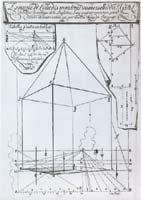
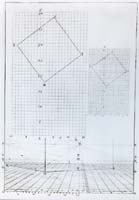
Lacans Theorie lässt sich durch seine grafischen Schemata jener Reflexivität des Blicks verdeutlichen. Ausgehend von der Präsenz eines vorhandenen Objektes entwirft Lacan sein erstes lineares Schema vom „geometralen Sehen“, das über das „Bild(image)“ führend in einem „Geometralpunkt“ mündet. Es handelt sich dabei um die bekannte Sehpyramide, mit deren Hilfe die Verortung des Blickes, bzw. die Systematisierung des Raumes stattfindet. Der Fluchtpunkt sollte den Augenpunkt entsprechen; wobei die Konstruktion des Augenpunkts die jeweils dargestellte Welt auf den Sehenden zu zentrieren hatte. Die Perspektive galt einfach als eingewandte Optik und Geometrie und gab vor, ein Abdruck des Netzhautbildes und damit Analogon des Auges zu sein. Der traditionelle Diskurs über die Optik reflektiert die Unmöglichkeit, eine konkrete Unterscheidung zwischen dem geometrisierenden, scheinbar objektivierenden Sehen einerseits, und der tatsächlichen, physiopsychologisch erklärbaren visuellen Wahrnehmung andererseits, treffen zu können. Dieser Diskurs unterstellt, nach Lacan, die Konstitution eines Subjektes, das genau auf die Konstruktion des ideellen Systemraums angewiesen ist. Er begreift die Perspektive als eine ideologisch gestiftete Stellungnahme zur Welt, die nur deshalb als natürliche erscheinen kann, weil sie historisch zur Gewohnheit wurde.
Für die abendländische Tradition des zentralperspektivischen Repräsentationssystems – Albertis Sehpyramide – das nicht nur zum Prototyp für das Erzeugen von Tafelbildern wurde, sondern als Inbegriff des objektivierten Bildes auch maßgebend für unser alltägliches Verständnis von sichtbarem Raum gilt, ist nur ein senkrechter Sehschnitt der Sehpyramide legitim bzw. nur ein daraus konstituiertes, sehendes Subjekt möglich. Lacans Entwurf schließt an die in den Kreisen französischen Denkens wiederholten Kritik an der Vorstellung eines transparenten, stabilen Individuums, welches nicht nur eine Trennungslinie zwischen Sehendem und Gesehenem propagiert, sondern darüber hinaus die Vorherrschaft und vermeintlich Kontrolle des Subjekts über seine Objekte festlegt. Das zweite grafische Dreieckschema, das Lacan benutzt, um diesmal das System des „visuellen Raumes“ zu konstruieren, operiert in umgekehrter Richtung zu den vorangegangenen und geht von der Existenz eines „Lichtpunktes“ aus, der sich über den „Schirm (écran)“ zum „Tableau“ hin ausbreitet.(42) Dieses Schema exemplifiziert diese Kritik an das zentralperspektivische System als ideologisches System und gilt als schematische Grundlage des subjektiven, verkörperlichten Sehens. Der „Schirm (écran)“ dient als Projektionsfläche des Lichtpunktes und funktioniert wie ein dazwischen geschaltetes Hindernis, dessen Schatten auf dem Tableau fehlt. Versteht man „écran“ als Projektionsfläche in psychoanalytischem Sinne, wäre der Schutzschirm unsere subjektive Vorstellung von der Realität, die immer eine Projektion mit beschützender Funktion bleibt.
Das Interessante an Lacans Untersuchungen ist, dass er zwei Traditionen der Bildlichkeit miteinander verbindet, nämlich den Diskurs um die Konstruktion der geometrischen, nach den Regeln der Zentralperspektive konstruierten Optik, in die die Kartesische Tradition der Subjektbildung, die sich auf dem Verständnis des Sehens als individualisiert und verkörperlicht gründet, aufgeht. Eine dritte Graphik jedoch, die Lacan „dem tatsächlichen Funktionieren des Registers des Sehens“ nennt, entspricht dieser Konfrontation. Hier hat Lacan die zwei vorherigen Dreiecke überlappend zusammengesetzt, um die Verflechtung von diesen zwei Operationen zu verdeutlichen. Durch das chiasmische Überlappen der zwei Flächen ergab diese neue Abbildung, in der die mittleren Abschnitte beider Dreiecke, vom „Bild (image) / Schirm“ eingenommen wurde. Auf der Linie rechts kommt die Spitze des ersten Dreiecks zu liegen, der Geometralpunkt des cartesianischen Subjekts, das Lacan hier mit „Subjekt der Vorstellung“ bezeichnet. Aus der Linie links kommt die Spitze des zweiten Dreiecks zu liegen, der Lichtpunkt des Sehfeldes, das nun mit „Blick“ bezeichnet wird. Interessanterweise verbindet Lacan hier das „Bild(image)“ mit dem „Schirm (écran)“, wobei der Gedanke suggeriert wird, dass jedes Bild, obgleich ob als Repräsentation oder als Seheindruck immer eine Projektionsfläche (immer im doppelten Sinn) bleibt. Dieser Projektionsfläche vermittelt zwischen den entsubjektivierten Blick und dem skopisierten Subjekt.
click to enlarge

Figure 10
Hans Holbein der Jüngere, Jean de Dinteville and
Georges de Selve (Die Ambassadoren), 1533, Öl auf Eichenholz,
207 x 209.5 cm (National Gallery London)
Vergleicht man die zwei vorherigen Schemata mit dem dritten des Chiasmus, so wird die Position des Subjektes näher definiert. Es ergibt sich, dass das Subjekt der Vorstellung zwischen Geometralpunkt und dem peripheren Tableau situiert ist. Versteht man diese Gleichung als Beschreibung der Akt des Sehens, würde es bedeuten, dass das Subjekt der Vorstellung immer innerhalb eines von weiteren Sehpunkten abgesteckten Sehfeldes befindet und deswegen nie in der Spitze einer auf das Auge hingerichtete Sehpyramide positioniert sein kann. Das Subjekt ist immer außerhalb des Sehfeldes seines eigenen Blickes. Lacan greift auf Merleau-Ponty, der die traditionelle Unterscheidung zwischen sehendem Subjekt und sichtbarem Objekt durch die Einsicht in die Leibhaftigkeit des Sehens in Frage stellte, und ein Subjekt konstruierte, das nicht auf das Sehvermögen beschränkt: es ist für sich selbst, für „andere“ und für „anderes“ sichtbar.(43)Umgekehrt ist für Merleau-Ponty das Sichtbare dem Sehenden nicht nur passiv ausgesetzt. Der Sehende ist vielmehr derjenige, durch den sich das Sichtbare selbstbezüglich realisiert und sieht. Er spricht vom einem Sehend-Sichtbaren und einem Sichtbar-Sehendem.(44) In diesem Sinne ist das Lacansche Sehfeld als ein System ineinanderverflochtenen, labyrinthischen Sehpyramiden, die von Objekten, in dem Sinne Sehend-Sichtbaren zusammengesetzt wird.(45) Lacan exemplifizierte seine Theorie in seiner idiosynkratischen Lesung der anamorphotischen Darstellung.(46) Für ihn ist das zentralperspektivische System nur ein Sonderfall des Sehens, das wie ein allgemeines Verfahren zur Erzeugung von Anamorphosen gedacht wird, und nicht umgekehrt: „Ich bin nicht einfach jenes punktförmige Wesen, das man an jenem geometralen Punkt festhalten könnte, von dem aus die Perspektive verlaufen soll. Zwar zeichnet sich in der Tiefe meines Auges das Bild/ tableau ab. Das Bild ist sicher in meinem Auge. Aber, ich bin im Tableau.“(47)
Lacan negiert die konventionell Gewissheit des immer wieder als transparent und stabil gedachten Individuum, es besitze Meisterschaft und Kontrolle über die Objekte. In seiner Interpretation des Gemäldes „Die Ambassadoren“ von Hans Holbein (Fig. 10) wurde dieses vom dominierenden cartesianischen Blick regierte Sehen, durch ein anderes herausgefordert, das durch den verzerrten Schädel an der Unterseite der Leinwand ausgedrückt wurde, ein Schädel dessen natürliche Form nur durch einen schiefen flüchtigen Blick vom Rand des Gemäldes wieder optisch hergestellt werden könnte. Solch ein Gegenstand, den Lacan mit solchen surrealistischen Bildern wie die weichen Uhren Dalis verglich, drückte eine andere Art des Sehens aus und konstituierte ein anderes Subjekt. Der anamorphotische Schädel ist im unpersönlichen, diffusen und unzentrierten Sehen, das vom Gemälde diktiert wird zu finden, anstatt als Bild im phallischen Auge des geometrisierten Subjektes. Nach der Aufführung von Jay, „[…] the eye is that of the specular, Cartesian subject desiring specular plenitude and phallic wholeness, and believing it can find it in a mirror image of it self, whereas the gaze is that of an objective other in a field of pure monstrance.”(48) Dieser für das Lacansche Denken grundlegende Unterschied zwischen Sehen und Ersatzsehen, das das geteilte Lacansche Subjekt definiert, wird noch zu erklären sein.
Duchamps anamorphotisches Dispositiv – „ein Scharnierbild machen“
Es stellt sich zunächst die Frage, ob das Duchampsche Sehdispositiv von „“Étant donnés“ diese grundlegende Dissymmetrie von Sicht und Blick(49) als körperbezogene Vorrichtung, als Inszenierungsmechanismus der Wahrnehmung, medial umsetzt. Das Sehdispositiv von „“Étant donnés“ operiert wie ein Lacansches Bild (image)/Schirm, das/der als kontinuierliches ,Spiegeln’ zwischen Blick und Subjekt, den Sehenden immer wieder auf die Grenzen seines eigenen subjektkonstituierenden ,Erblicktwerdens zurückwirft. Duchamp konstruiert ein Sehdispositiv, eine Synthese aus Camera Obscura und Stereoskopik, um jene der klassischen, illusionserzeugenden Dispositive (das Gemälde, die Fotografie) zu dekonstruieren. Es soll nochmals betont werden, dass die Besonderheit dieses Werkes genau in der Art seiner Ausführung besteht. Sie ruft einen spezifischen Wahrnehmungsmodus hervor. Es handelt sich um eine Plastik, die als ,Gemälde maskiert ist, und um ein Gemälde, das keine materielle Präsenz hat. Es entsteht durch die Eingrenzung des Sehausschnittes und ist nicht permanent sichtbar, sondern nur dann, wenn seitens des Betrachters eine Intention besteht, das Werk zu sehen, also durch die Gucklöcher zu blicken. Es ist das einzige ,Gemälde, das nicht gleichzeitig von mehreren als einen Betrachter gesehen werden kann. Also ein Bild, das, wie schon erwähnt, direkt an die leibliche Präsenz eines Performers/Betrachters. Der Betrachter Duchhamps Werk befindet sich gewissermaßen in der Position des Malers – wie bei den berühmten Zeichenmaschinen der Renaissance.(50) Er produziert selbst das Bild, weil es allein vom individuellen Bildeindruck zusammengesetzt wird.(51)
Das Entstehen dieses Bildeindruckes bzw. das Vermögen des Betrachters, ein Bild zu sehen, hängt ausschließlich von der Logik der Sichtbarkeit ab. „Étant donnés“ funktioniert wie ein erweitertes trompe l’oeil. Um ein Bild zu sehen, muss man die perspektivisch korrekte Stellung vor den Gucklöchern der Tür immer einhalten. Duchamp zeigt mit diesem Trick, ganz im Sinne Lacans, dass das Albertinische Fenster einen Sonderfall der Anamorphose darstellt und enthüllt dadurch die verdeckten peripheren Momente der Sichtbarkeit. Man kann nie beim Blicken durch die Gucklöcher seinen eigenen Körper sehen. Die Einsicht der Leibhaftigkeit des Sehens ist konstitutiv für die Ununterscheidbarkeit zwischen sehendem Subjekt und sichtbarem Objekt. So kann ich beim Betrachten nie meiner selbst gewahr werden. Die (wahrgenommene) Realität bleibt marginal. Man kann aber auch sagen, dass Wahrnehmungsraum und repräsentierter Raum deckungsgleich werden. Der Betrachter ist beim Betrachten im wahrsten Sinne des Wortes im ,Tableau’ und wird gewissermaßen von dem zu betrachtenden Objekt erblickt.
Schließlich sei noch auf eine weitere Analogie zwischen Duchamp und Lacan hingewiesen. Für beide befindet sich das Bild ständig in Zustand des Entziehens. Wenn Lacan das Sehen (bzw. das Erblicktwerden) als Objekt klein a bezeichnet, gelangen wir weiterhin zum bedeutungsgenerierenden Komplex des Phallischen. Lacan bestimmt in seiner Theorie den Phallus als das Symbol des „Seinsmangels“ schlechthin. Phallus ist der „Signifikant ohne Signifikat”(52), dieses Symbol steht paradigmatisch für die Wirkung der Signifikantenkette auf den Sinn (das Signifikat), es verkörpert die Instanz des Bedeutungsschaffens. ”Die Zeichensetzung des Phallus ist gleichbedeutend mit der Schöpfung der symbolischen Realität; durch sie erlangt das Seiende für ein Subjekt Sinn und Bedeutung. […] Die Gewalt des Phallus besteht in der Unterwerfung und Verbuchstäblichung des Realen.“(53)Doch jeder Versuch, den Phallus zu repräsentieren, also ein Bild zu machen, kehrt die Richtung des Bedeutens um. Michael Wetzel hat eine Interpretation der Bildtheorie Lacans mit Blick auf den Kontext des Phallischen unternommen. Der gesamte Komplex des Phallischen, des ”Zeichenmachers der symbolischen Ordnung” besteht demnach nur in diesem Spiel von An- und Abwesenheit im Bild, in dieser vermeintlichen Präsenz, dem Wissen, dass der Phallus nur im Bild ist und dabei als Fetisch auftaucht. ”Wenn niemand den Phallus hat, alles aber Phallus sein kann, so gilt dies nur unter der Bedingung des ontologischen Status der Bilder. Denn was das Verführerische der Bilder ausmacht, ist ihr Entzug.“(54) Es ist dann grundsätzlich das, was sich uns entzieht und das nur in seinen Ersatzformen existiert. Um die Lacansche Terminologie zu benutzen, jedes realisierte Bild oder Seheindruck hat den Status eines Ersatzes, also ist als „kleines a zu verstehen, das als Symbol des phallischen Mangels.(55)
Bringt man in Erinnerung das dritte Lacansche Schema, „das tatsächliche „Funktionieren des Registers des Sehens“, stellt man fest, dass in der Graphik der Blick zwischen Objekt und Lichtpunkt situiert ist. Das ist in Lacans Geometrie nachvollziehbar, da der Blick immer dem Lichtpunkt des Objektes erfasst. Folgt man jedoch diese Logik, wird deutlich, dass der Blick andere Teile des Objektes außer Acht lässt, da er sich primär auf den Lichtpunkt konzentriert. Diese graue Zone des Sehens wurde in Lacans Theorie als „Skotom“(56) beschrieben, ein der menschlichen Natur inhärentes Prinzip der Verkennung.(57) Blinde Punkte, deutete Lacan an, sind unheilbar. Der Blick kann das Objekt (das Gesicht der Geliebten, eine Sardinenbüchse, die in der Sonne spiegelt oder ein Tafelbild) insofern nur partiell erfassen, und als solches bleibt jedes Sehen einer phantasmatischen Zustand verhaftet. Das Auge ist das des skopischen, Kartesischen Subjekts, das vollkommen visuelle Erfassbarkeit der Realität und ‘phallische’ Gesamtheit wünscht und immer glaubt diese in einem Ersatzbild zu finden. Sehen ist für das geteilte Lacansche Subjekt nur im Zustand seines Entzuges möglich.
“Étant donnés“, als Sonderfall einer anamorphotischen Momentaufnahme demonstriert den phallischen Blick, der mit Kartesischen skopischen Regeln deckungsgleich ist. Duchamp hat diese Eigenschaft des Bildes – jedes Bild ist ein verschleiertes Bild, ein Bild im Zustand des Entzuges, und zugleich ein kastrierendes Dispositiv – in seiner Medialität bewiesen und dadurch in seiner Absicht, durch Illusion zu verdecken, entlarvt. Der perspektivische Fluchtpunkt, der Nullpunkt der Sichtbarkeit dieses dioramatischen Environments ist (nach konkreten Berechnungen bei dem Montieren des Ensembles) der körperliche Verweis auf die Sexualität. Er ist der inkarnierte Blick des imaginierten Anderen, der – verschoben – von mir aus sieht, wo ich zu sehen meine.(58)Und damit wären alle Betrachter, einschließlich Breton gemeint. Die ,männlich’ dressierten Betrachter, genießen als unverschämte Voyeure im stillen und dunklen Auditorium ein kinematografisches Schauspiel und werden zugleich, nach Lacans Worten, von ihm mit einem Schnappschuss “foto-grafiert.“(59)
In Wirklichkeit ist die absolut hyperrealistische Szene von „Étant donnés“ eine leere, blinde Wand, ein Bild im Zustand des Entzuges. Es gibt nichts zu sehen. Da, wo man meint zu sehen, klafft nur der Abgrund der Inszenierung des Blickes selbst auf. Re- Präsentieren bedeutet eigentlich, ein Absentes präsent zu machen. Durch modifizierte Wahrnehmungsoperationen, die vom Künstler/ Sehmaschinen- Konstrukteur einkalkuliert wurden, wird bei „Étant donnés“ das Re- Präsentieren zum Präsentieren. Es handelt sich im Grunde um eine Umkehrung der zeitlichen Abfolge. Absent ist nicht die darzustellende Wirklichkeit. Sie ist immer da, verborgen hinter der Tür. Absent ist die bereits dargestellte Wirklichkeit. Sie bedarf der Mitarbeit des Betrachters, um ,enthüllt’ zu werden. Die Darstellung ist ,nur’ während des Wahrnehmungsaktes für den subjektiven Betrachter und nur für ihn existent. Repräsentierte Zeit und Zeit der Repräsentation sind deckungsgleich.
Das „Étant donnés“ wurde als der letzte Akt der Moderne bezeichnet. Man kann aber genauso gut sagen, dass wir es hier mit dem letzten Bild zu tun haben. Durch die immer wieder „verzögerte, mediale Rekonstruktion des Blickes als Bild, die der Partizipation des Betrachters bedarf, findet diese quasi Fetischisierung des Blicks statt, die Entblößung des (phallischen) Begehrens nach dem Sehen selbst. Wenn Lacan das „Geheimnis der Psychoanalyse so formuliert, dass ”es keinen Geschlechtsakt gibt, [darum] aber die Geschlechtlichkeit”(60), scheint er Duchamps These von der Kunst als einem nie als realen Akt vollzogenen Erotismus, eine Verzögerung im Glas, zu bestätigen. Duchamp hatte im Kontext verschiedenartiger Diskurse (die Nichtübereinstimmung von dreidimensionalem und vierdimensionalem Raum, die Mann- Frau- Polarität, die Divergenz von „apparence“ und „apparition“, die Diskrepanz von Sehen und Haptischem) immer auf den unmöglichen „Koitus durch eine Glasscheibe hindurch“(61)hingewiesen. Was Freud in seiner 1922 Essay „Das Medusenhaupt“ schreibt, scheint die Situation von „Étant donnés“ zu umschreiben.(62) Die Frau hält in apotropäischer Geste den Blick des Betrachters selbst empor (gaz = gaze = Blick), petrifiziert den immobilen Betrachter im wahrsten Sinne des Wortes, demonstrierend, dass jedes Sehen ein Phallus ist (phaos = Licht> phalos = leuchtendenes Objekt > phallus).
Duchamps Nackte ist fragmentiert und kastrierend; sie ist augenblicklich und bleibt für immer verhüllt, weil sie eben auf dem unüberwindbaren eigenen Narzissmus des Betrachters gründet. Es existiert nur der kastrierende Blick auf die phallusartige, lichtreflektierende Gaslampe und der narzisstische Blick auf die Oberfläche eines fließenden Wassers, dessen Strömung die Gestalt des optischen Reflexes mit sich fortreißt. Nochmals: „Gegeben ist: als erstes der Wasserfall und als zweites das Leuchtgas. Und doch eröffnet diese Kunst unendliche Möglichkeiten, und spornt unsere Suchabsichten nach der luziden, nackten Wahrheit an.
ANMERKUNGEN
 1. Hentschel, Linda, Pornotopische Techniken des Betrachtens: Raumwahrnehmung und Geschlechterordnung in visuellen Apparaten der Moderne, Marburg 2001.
2. Hentschel (wie Anm. 1), S. 30.
3. Hentschel (wie Anm. 1), S. 29.
4. Harnoncourt, Anne d’; Hopps, Walter (Hrsg.), Reflections on a New Work of Marcel Duchamp, Philadelphia Museum of Art Bulletin 64, nos. 299-300 (April-September 1969), 6-58, Nachdruck, No. 2, 1987, S. 11.
5. Clair, Jean Marcel Duchamp ou le grand fictif, Paris 1975, S. 157f.
6. Serge Stauffer, in: Stauffer, Serge (Hrsg.), Marcel Duchamp, Die Schriften, Zürich 1981, S. 37.
7. Hentschel (wie Anm. 1), S. 64f.
8. Paz, Octavio: Nackte Erscheinung. Das Werk von Marcel Duchamp, Berlin 1987.
9. Molderings, Herbert, Marcel Duchamp, Parawissenschaft, das Ephemere und der Skeptizismus, Frankfurt a.M.; Paris 1983, S. 73.
10. Cabanne,
11. Vgl. Duve, Thierry de, Pikturaler Nominalismus. Marcel Duchamp. Die Malerei und die Moderne, München 1987, S. 113.
12. Wie Wilfried Doerstel betont: „Dies war auch die herausgearbeitete Voraussetzung und Form der Duchampschen symbolischen Form, dass Täuschung real vollzogen wird, dass die rezeptiven Tätigkeiten, deren Charakter und Bedingungen vermittelt werden sollen, tatsächlich durchzuführen sind, um sie dabei in ihrer Verlaufsform vermittelt zu bekommen. Erfahrbar gemacht wird bei der Duchampschen symbolischen Form der Charakter der kulturellen Tätigkeit, nicht nur der Blickwinkel oder das Ergebnis von Interpretation. […] Die Erfahrung des Betrachters bezieht sich, außer auf die materiellen Täuschungsmittel, allerdings offensichtlich nur auf sich selbst als der Quelle des Blicks, als dem Ursprungsort der Konstituierung.“ Doerstel, Wilfried, Augenpunkt. Lichtquelle und Scheidewand; die symbolische Form im Werk Marcel Duchamps unter besonderer Berücksichtigung der Witzezeichnungen von 1907 bis 1910 und den Radierungen von 1967/68, Köln 1989, S. 261.
13. Vgl. Krauss, Rosalind E.: The Optical Unconscious, Cambridge, Mass.; London 1993, S. 111.
14. Krauss (wie Anm. 13), S. 133f.
15. Vgl. Ramiréz, Juan Antonio, Duchamp. Love and Death, Even, London 1998, S. 240.
16.Joselit, David, Infinite Regress, Marcel Duchamp 1910-1941, Cambridge, Mass.; London 1998; Paz (wie Anm. 8).